

A Premier B2B Part Search
Bourns CAY10A221J4LF Chip Array
The CAY10A series are thick film chip arrays with 2 or 4 isolated elements, designed for precise resistance applications in electronic circuits. These RoHS-compliant components feature a resistance tolerance of 5%, operate within -55°C to +125°C temperature range, and have a maximum overload voltage of 50 V. Constructed with a glass overcoat and high purity aluminum substrate, they are ideal for space-saving and high-reliability applications, including automotive, industrial, and telecommunications equipment, with features like tin-plated terminations for durability and RoHS compliance.
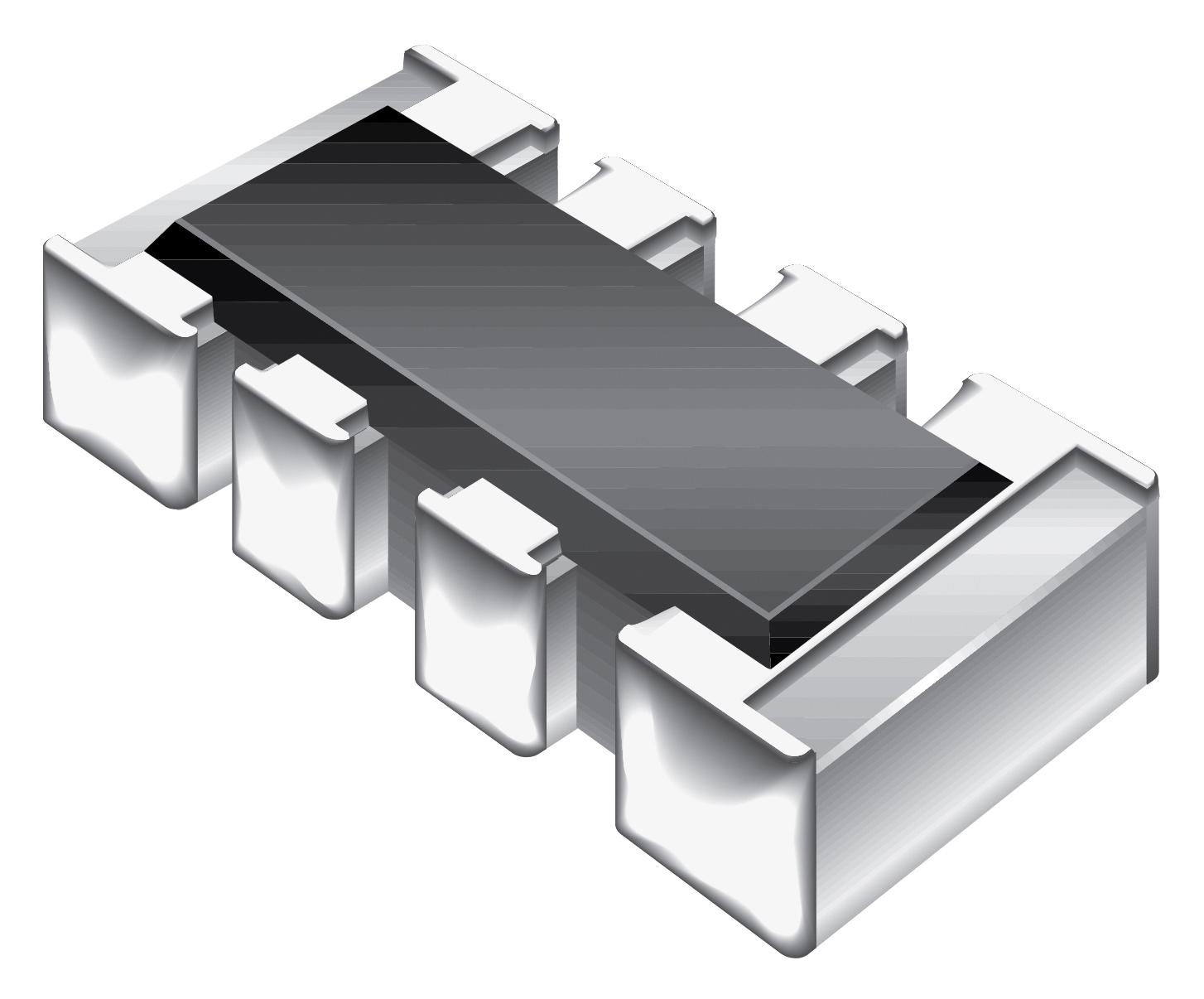
Bourns CAY10A221J4LF Chip Array Specifications:
- Number of Elements: 2 or 4 isolated resistors
- Resistance Tolerance: 5%
- Operating Temperature Range: -55°C to +125°C
- Maximum Overload Voltage: 50 V
- Maximum Working Voltage: 25 V
- Power Rating @ 70°C per resistor: 63 mW
- Construction: Glass overcoat thick film
- Termination: Tin-plated, RoHS-compliant
- Resistance Code: 210 Q, 474, 000 (zero ohm jumper)
- Size: 0.039 x 0.079 inches (varies by model)
- Material: Alumina substrate with high purity aluminum and glass overcoat
- Storage Conditions: -55°C to 40°C, 40-75% RH, 2 years shelf life
- Compliance: RoHS 2015/863
- Tested for: Load life, temperature cycling, moisture resistance, thermal shock, resistance to soldering heat, mechanical shock, vibration, and electrostatic discharge
Buy the Bourns CAY10A221J4LF – Reliable Thick Film Chip Array for Industrial Applications
Enhance your electronic designs with the Bourns CAY10A series chip array, featuring 2 or 4 isolated resistors with 5% tolerance, RoHS compliance, and a wide operating temperature range of -55°C to +125°C. These robust, high-reliability components are ideal for automotive, industrial, and telecommunications applications, providing space-saving, durable resistance solutions. With glass overcoat construction, tin-plated terminations, and tested for thermal shock, moisture, and mechanical stress, these resistor arrays ensure optimal performance and longevity in demanding environments.
Get Bourns CAY10A221J4LF today—built for precision and long-lasting durability in electronic circuits.
Frequently Asked Questions
Where can I buy Bourns CAY10A221J4LF?
You can click on the BUY or RFQ button to purchase CAY10A221J4LF from an authorized Bourns distributor.
How do I troubleshoot issues or seek technical support for part CAY10A221J4LF?
You can download the CAY10A221J4LF datasheet or visit the Bourns website for support.
Who is the manufacturer of CAY10A221J4LF?
Bourns