

A Premier B2B Part Search
Panasonic ERJ8ENF3001V Automotive Chip Resistor
The Panasonic ERJ series resistors are automotive-grade, precision thick film chip resistors designed for high reliability. They cover resistance values from 10 ohms to 2.2 megaohms, including E24 and E96 series. Featuring a metal glaze thick film resistive element and triple-layer electrodes, they come in multiple case sizes such as 01005, 0201, 0402, 0603, 0805, 1206, 1210, 1812, 2010, and 2512. These compact, lightweight resistors are RoHS compliant, meet IEC 60115-8, JIS C 5201-8, EIAJ RC-2134B standards, and are rated up to 1W with tolerances of ±0.5% or ±1%. They operate from -55°C to 125°C or -55°C to 155°C, suitable for reflow and flow soldering, ensuring high reliability in automotive and industrial applications.
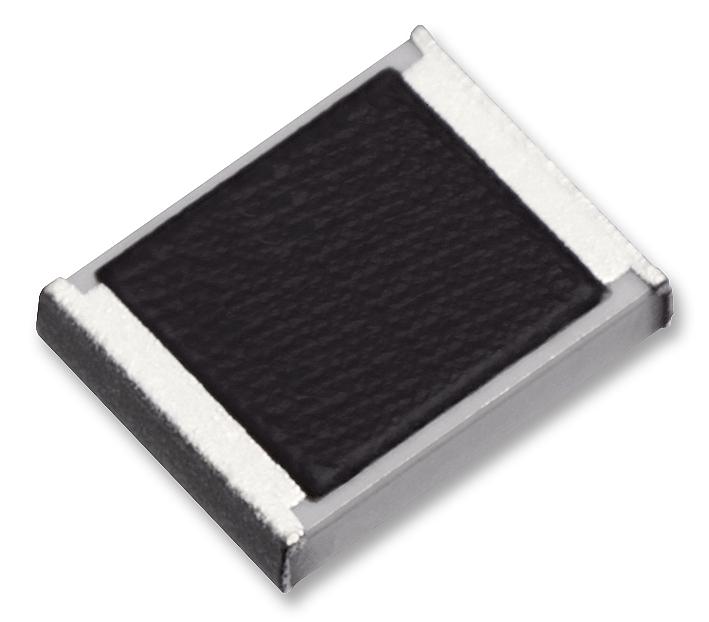
Panasonic ERJ8ENF3001V Automotive Chip Resistor Specifications:
- Resistance Range: 10Ω to 2.2MΩ
- Tolerance: ±0.5%, ±1%
- Temperature Coefficient (TCR): ±50 to ±300 ppm/°C
- Power Rating: Up to 1W
- Voltage Rating: Up to 200V
- Package Sizes: 01005, 0201, 0402, 0603, 0805, 1206, 1210, 1812, 2010, 2512
- Operating Temperature Range: -55°C to 125°C or -55°C to 155°C
- Construction: Metal glaze thick film resistive element with three-layer electrodes
- Standards: IEC 60115-8, JIS C 5201-8, EIAJ RC-2134B
- Compliance: RoHS
- Features: Compact, lightweight, suitable for both reflow and flow soldering
Buy the Panasonic Series ERJ Automotive Chip Resistors: ERJ8ENF3001V
Experience the reliability and precision of Panasonic automotive-grade chip resistors. Featuring a wide resistance range, tight tolerances, and operating temperatures up to 155°C, these compact resistors are perfect for high-reliability electronic applications. Suitable for both reflow and flow soldering, they meet stringent automotive standards such as AEC-Q200 and industry certifications including IEC 60115-8 and JIS C 5201-8. Stock your inventory today and ensure your projects benefit from durable, high-performance resistor solutions.
Order your Panasonic Series ERJ automotive-grade chip resistor today and ensure high reliability and precision in demanding industrial and automotive applications.
Frequently Asked Questions
Where can I buy Panasonic ERJ8ENF3001V?
You can click on the BUY or RFQ button to purchase ERJ8ENF3001V from an authorized Panasonic distributor.
How do I troubleshoot issues or seek technical support for part ERJ8ENF3001V?
You can download the ERJ8ENF3001V datasheet or visit the Panasonic website for support.
Who is the manufacturer of ERJ8ENF3001V?
Panasonic