

A Premier B2B Part Search
SAMTEC SQT13501FDRA SQT Series Connector
The SQT series is a high-performance connector designed with a black liquid crystal polymer insulator and phosphor bronze contacts, plated with Sn or Au. It supports a current rating of 5.1A per pin, with a voltage rating of 281 VAC when mated with TMM and 250 VAC with TMMH. Operating temperature ranges from -55°C to +125°C, ensuring reliability across diverse environments. The connector offers an insertion depth of approximately 0.103 to 0.198 inches, normal force of 60 grams, and up to 100 mating cycles. It is RoHS compliant and lead-free solderable, suitable for advanced electronic assemblies.
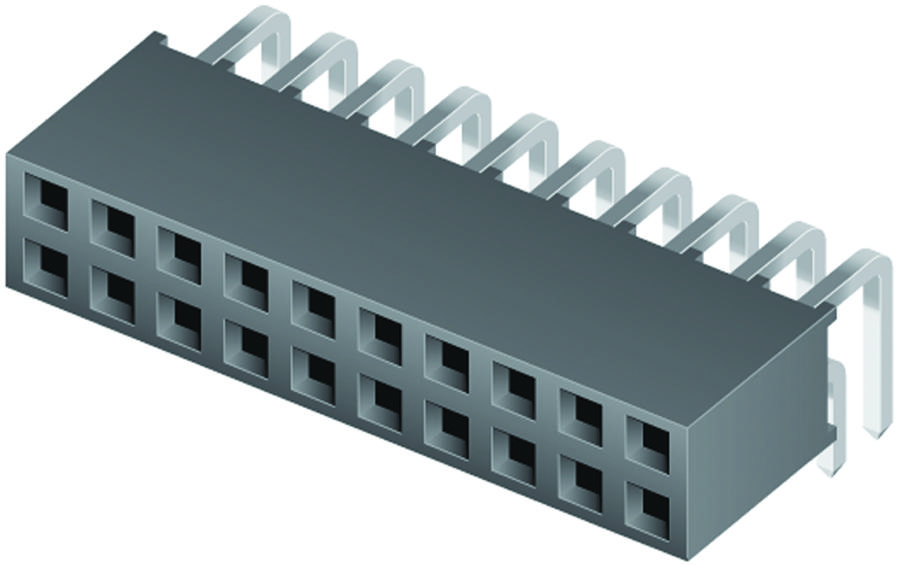
SAMTEC SQT13501FDRA SQT Series Connector Specifications:
- Insulator Material: Black Liquid Crystal Polymer
- Contact Material: Phosphor Bronze
- Plating: Sn or Au over
- Current Rating: 5.1A per pin
- Voltage Rating: 281 VAC with TMM, 250 VAC with TMMH
- Operating Temp Range: -55°C to +125°C
- Insertion Depth: 0.103 to 0.198 inches
- Normal Force: 60 grams
- Max Cycles: 100 with 10 μm Au coating
- RoHS Compliant: Yes
- Lead-Free Solderable: Yes
Buy the Samtec Series SQT: SQT13501FDRA
Explore the Samtec SQT Series Connector, engineered with a durable black liquid crystal polymer insulator and phosphor bronze contacts with gold or tin plating. This connector provides reliable electrical performance with a current rating of 5.1A per pin and a voltage rating of 281 VAC when mated with TMM connectors. It operates in temperatures from -55°C to +125°C, ensuring suitability for various industrial and electronic projects. With up to 100 mating cycles, it is RoHS compliant and lead-free, ideal for modern electronic assemblies requiring durability and compliance.
Order your Samtec Series SQT connector today and ensure reliable performance with high-quality materials suitable for demanding electronic applications.
Frequently Asked Questions
Where can I buy SAMTEC SQT13501FDRA?
You can click on the BUY or RFQ button to purchase SQT13501FDRA from an authorized SAMTEC distributor.
How do I troubleshoot issues or seek technical support for part SQT13501FDRA?
You can download the SQT13501FDRA datasheet or visit the SAMTEC website for support.
Who is the manufacturer of SQT13501FDRA?
SAMTEC