

A Premier B2B Part Search
SAMTEC SSW10506SDLL Through-Hole Socket
The through-hole socket features a black liquid crystal polymer insulator with options for high-temperature thermoplastic insulation. Made from phosphor bronze contact material and plated with gold or tin, it supports current ratings of 6.3 A and 47 A per pin. Designed for operating temperatures from -55°C to +125°C with gold plating and -55°C to +105°C with tin, it accommodates insertion depths of 3.68 mm and 6.35 mm, with a standard force of 125 grams. Suitable for high-reliability connections in electronic assemblies.
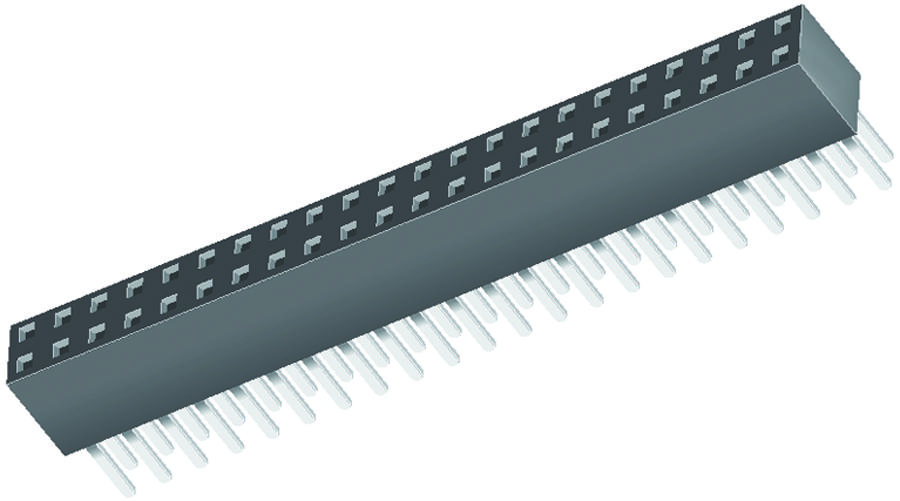
SAMTEC SSW10506SDLL Through-Hole Socket Specifications:
- Insulator Material: Black Liquid Crystal Polymer or High Temperature Thermoplastic
- Contact Material: Phosphor Bronze
- Plating: Gold or Snover (Sover) with 50 yt" Ni
- Current Rating: 6.3 A per pin
- Current Rating (Power): 47 A per pin
- Operating Temperature Range: -55°C to +125°C with Gold, -55°C to +105°C with Tin
- Insertion Depths: 3.68 mm and 6.35 mm
- Standard Force: 125 grams (4.4 N)
- Voltage Rating: 465 VAC / 655 VDC
- RoHS: Compliant
- Lead-Free Solderable: Yes
- RoHS Compliance: Yes
- Contact Style: Single, Double, Triple Rows options available
- Lead Style: Straight or Right-Angle versions
Buy the Samtec Series SSW: Through-Hole Socket for High-Temperature Applications
Purchase the high-quality through-hole socket online today. Engineered with phosphor bronze contacts, gold or tin plating, and operating within temperatures up to 125°C, this socket provides reliable electrical connections. Suitable for various pin configurations with insertion depths of 3.68 mm and 6.35 mm, it supports current ratings up to 47 A per pin. Featuring RoHS compliance and lead-free solderability, this socket ensures durability and excellent performance in demanding electronic assemblies.
Get Samtec SSW-105-06-SDLL today—built for precision and long-lasting durability in electronic connections.
Frequently Asked Questions
Where can I buy SAMTEC SSW10506SDLL?
You can click on the BUY or RFQ button to purchase SSW10506SDLL from an authorized SAMTEC distributor.
How do I troubleshoot issues or seek technical support for part SSW10506SDLL?
You can download the SSW10506SDLL datasheet or visit the SAMTEC website for support.
Who is the manufacturer of SSW10506SDLL?
SAMTEC