

A Premier B2B Part Search
SAMTEC TMM10806GDSM007 Cable Mates
The TMM Cable Mates series features high-quality insulator material made from Black Liquid Crystal Polymer and terminal material of Phosphor Bronze. These connectors support current ratings up to 3.2A with voltage ratings of 281 VAC when mated with SQW and 250 VAC with SQT. Operating temperatures range from -55°C to +105°C with Tin plating and up to +125°C with Gold. They are RoHS compliant, lead-free, and available with optional pick & place pads, alignment pins, and tape & reel packaging, making them ideal for PCB assembly and high-reliability electronic applications.
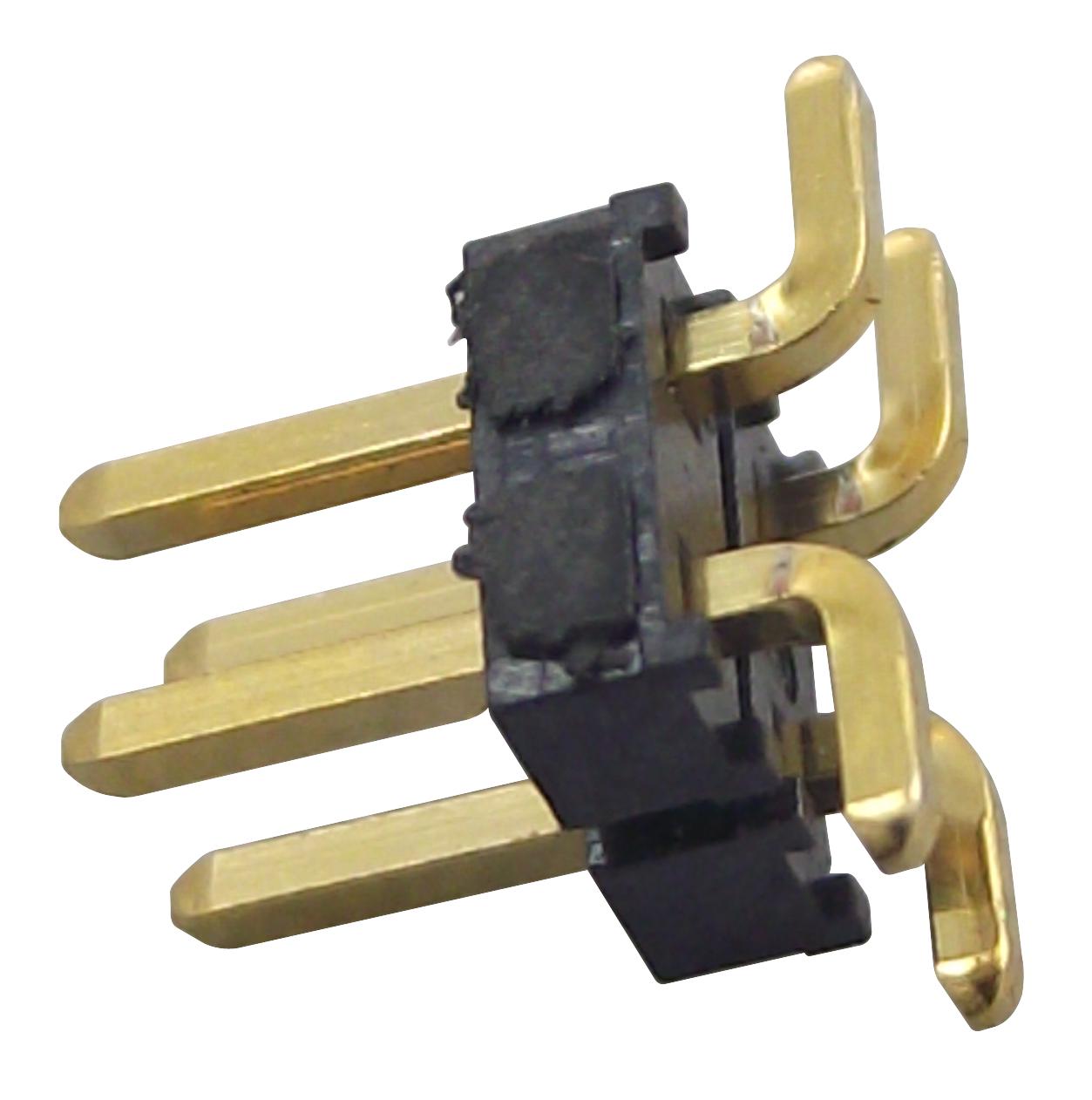
SAMTEC TMM10806GDSM007 Cable Mates Specifications:
- Insulator Material: Black Liquid Crystal Polymer
- Terminal Material: Phosphor Bronze
- Plating: Sn or Au over Ni (50 µm)
- Current Rating: 3.2A with 2 pins powered
- Voltage Rating: 281 VAC with SQW, 250 VAC with SQT
- Operating Temp Range: -55°C to +105°C with Tin, -55°C to +125°C with Gold
- RoHS Compliant: Yes
- Lead-Free Solderable: Yes
- Pitch: 2.00 mm (.0787 inch)
- Available with optional pick & place pads, alignment pins, tape & reel packaging
- Mechanical: Low profile, coplanarity conformant, with optional non-standard configurations
- Compatibility: Supports a variety of PCB mounting options and high-density applications
Buy the Buy Samtec TMM10806GDSM007 Cable Mates Part Number Online
Discover the robust TMM cable mates series from Samtec, designed for high-performance PCB applications. Featuring liquid crystal polymer insulators and phosphor bronze terminals, these connectors support up to 3.2A current and operate reliably across a wide temperature range. RoHS compliant and lead-free, they are ideal for high-density electronics requiring durability and precision. Available with optional pick & place pads, alignment pins, and tape & reel packaging, purchase online to ensure quick, secure delivery for your manufacturing needs.
Buy Samtec TMM-110-01-S-D-SM cable mates now and experience unmatched reliability and performance in high-quality PCB interconnect solutions.
Frequently Asked Questions
Where can I buy SAMTEC TMM10806GDSM007?
You can click on the BUY or RFQ button to purchase TMM10806GDSM007 from an authorized SAMTEC distributor.
How do I troubleshoot issues or seek technical support for part TMM10806GDSM007?
You can download the TMM10806GDSM007 datasheet or visit the SAMTEC website for support.
Who is the manufacturer of TMM10806GDSM007?
SAMTEC