

A Premier B2B Part Search
Vishay CRCW040293R1FKED Precision Chip Resistor
This precision thick film rectangular chip resistor offers low temperature coefficient (25 ppm/K), tight tolerances (+0.25%), and excellent stability with resistance drifting less than 1% for 1000 hours at 70°C. Features include SnPb contacts on a nickel barrier, a metal glaze on high-quality ceramic, and protective overglaze for durability. It supports diverse mounting options with various sizes and resistance ratings, making it ideal for precision applications needing high stability, reliable electrical performance, and environmental robustness.
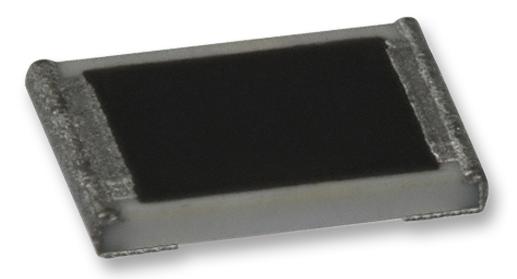
Vishay CRCW040293R1FKED Precision Chip Resistor Specifications:
- Size: 0402 (0.063 inches), 0603 (0.095 inches), 0805 (0.125 inches), 1206 (0.204 inches), 1210 (0.254 inches), 1218 (0.324 inches), 2010 (0.502 inches), 2512 (0.633 inches)
- Resistance Range: 10Ω to 1MΩ depending on model
- Power Rating: 0.063W for 0402, up to 1W for 2512
- Maximum Voltage: 50V for 0402, up to 500V for 2512
- Temperature Coefficient: ±25 ppm/K (model specific variations to ±100 ppm/K)
- Tolerances: ±0.25%, ±0.5%, ±1%
- Environmental Stability: Resistance drift less than ±1% at 70°C over 1000 hours
- Construction: Lead (Pb)-bearing thick film on ceramic substrate, tin-plated contacts on nickel barrier, protective overglaze
- Insulation Resistance: >10^9 Ω
- Operating Temperature Range: -55°C to +155°C
- Certifications: RoHS compliant, UL listed for safety
Buy the Buy Vishay Precision Chip Resistor Part Number CRCW040293R1FKED Online
Purchase the Vishay CRCW040293R1FKED precision chip resistor online today to benefit from superior stability, tight tolerances, and durable construction. Ideal for high-precision electronic circuits demanding consistent performance and environmental resilience. Whether for industrial, medical, or aerospace applications, this resistor provides the reliability and stability needed for critical components. Order now to ensure your projects achieve optimal accuracy and long-term reliability with quick delivery and excellent customer support.
Buy Vishay CRCW040293R1FKED now and experience unmatched reliability and precision for your high-stability resistor needs.
Frequently Asked Questions
Where can I buy Vishay CRCW040293R1FKED?
You can click on the BUY or RFQ button to purchase CRCW040293R1FKED from an authorized Vishay distributor.
How do I troubleshoot issues or seek technical support for part CRCW040293R1FKED?
You can download the CRCW040293R1FKED datasheet or visit the Vishay website for support.
Who is the manufacturer of CRCW040293R1FKED?
Vishay