

A Premier B2B Part Search
TE CONNECTIVITY CRGCQ1210J330R Thick Film Chip Resistor
The CRGCQ1210J330R is an AEC-Q200 compliant thick film chip resistor designed for automotive and industrial applications. It features a high-purity alumina substrate with a protective coating, Ni/Cr inner termination, Ni barrier, and outer Sn termination. This resistor offers a power rating of 0.5W at 70°C, resistance range from 10Ω to 1MΩ, and operates within a temperature range of -55°C to +155°C. Suitable for reflow and wave soldering, it delivers excellent electrical stability, low jumper resistance, and robust performance for volume auto placement.
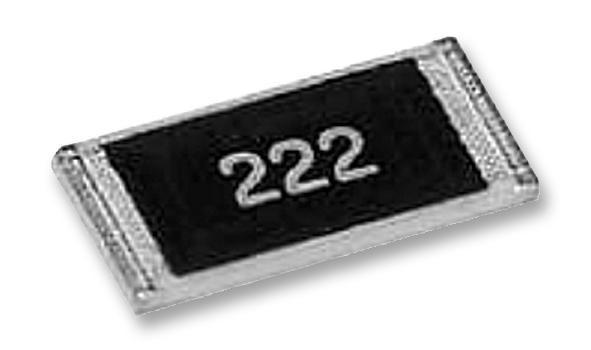
TE CONNECTIVITY CRGCQ1210J330R Thick Film Chip Resistor Specifications:
- Power Rating: 0.5W at 70°C
- Resistance Range: 10Ω to 1MΩ
- Tolerance: ±1%, ±3% (negotiable)
- Temperature Range: -55°C to +155°C
- Dimensions: Length 3.10mm, Width 2.60mm, Height 0.55mm
- Construction: Alumina substrate, Ni/Cr inner termination, Sn outer termination
- Max. Working Voltage: 200V
- Max. Overload Voltage: 500V
- Dielectric Withstand Voltage: 500V
- Jumper Resistance: <50mΩ
- Solderability: Min 95% coverage at 245±3°C, 2-3 sec
- Soldering: Reflow and wave, peak temp 260°C
- Operating Temp: -55°C to +155°C
- Compliance: AEC-Q200, RoHS, Halogen free
Buy the TE Connectivity CRGCQ1210U+2013Reliable Thick Film Resistor for Industrial Applications
Order the TE Connectivity thick film chip resistor CRGCQ1210J330R online today to benefit from high-quality, AEC-Q200 compliance, wide resistance options, and robust construction. This resistor ensures reliable performance in automotive and industrial applications, supporting reflow and wave soldering processes. With excellent stability, low jumper resistance, and operating temperature from -55°C to +155°C, it guarantees durability and electrical consistency. Purchase now to enjoy fast delivery and technical support for your volume production or maintenance needs.
Buy TE Connectivity CRGCQ1210J330R now and experience unmatched reliability and performance in automotive and industrial environments.
Frequently Asked Questions
Where can I buy TE CONNECTIVITY CRGCQ1210J330R?
You can click on the BUY or RFQ button to purchase CRGCQ1210J330R from an authorized TE CONNECTIVITY distributor.
How do I troubleshoot issues or seek technical support for part CRGCQ1210J330R?
You can download the CRGCQ1210J330R datasheet or visit the TE CONNECTIVITY website for support.
Who is the manufacturer of CRGCQ1210J330R?
TE CONNECTIVITY