

A Premier B2B Part Search
Vishay 564R60GAD10 Ceramic Capacitor
This ceramic dielectric, single-layer DC disc capacitor features a Z5U dielectric material, silver-plated ceramic disc, and tinned copper leads. It provides high capacitance and stability in compact sizes, with a temperature range of -25°C to 105°C. Compliant with UL94V-0 flammability standards, it offers low electrical losses and high stability. Suitable for applications like lighting ballasts, SMPS, and high-voltage DC or pulse circuits, its robust design ensures reliable performance in demanding electronic environments. Wide capacitance range options make it versatile for various electronic projects.
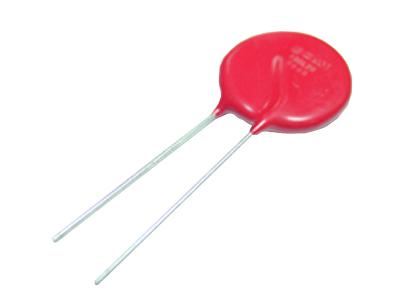
Vishay 564R60GAD10 Ceramic Capacitor Specifications:
- Capacitance: 10 pF to 0.10 μF (various values available)
- Rated Voltage: 6 kV DC
- Temperature Range: -25°C to +105°C
- Dielectric Material: Z5U ceramic
- Material: Silver-plated ceramic disc with tinned copper leads
- Lead Spacing: 0.250" (6.35 mm), 0.375" (9.5 mm), or 0.500" (12.7 mm)
- Lead Diameter: 0.025" (0.64 mm) or 0.032" (0.81 mm)
- Flammability: UL 94V-0 compliant
- Tolerance: +10%, +20%
- Dissipation Factor: Max 2.0% at 1 kHz
Buy the Vishay Series 565R Z5U Ceramic Capacitor: 564R60GAD10
Enhance your electronic projects with this Vishay Series 565R ceramic capacitor, featuring a Z5U dielectric for excellent temperature stability. Its compact design with silver-plated ceramic disc and tinned copper leads ensures durability and high capacitance in limited space. Perfect for high-voltage DC circuits, pulse applications, and electronic ballast systems, this capacitor offers a broad capacitance range of 10 pF to 0.10 μF, with a rated voltage of 6 kV DC. Reliable and UL94V-0 compliant, it is essential for demanding industrial and commercial electronic systems.
Order your Vishay Series 565R Z5U ceramic capacitor today and ensure reliable stability for high voltage and electronic applications.
Frequently Asked Questions
Where can I buy Vishay 564R60GAD10?
You can click on the BUY or RFQ button to purchase 564R60GAD10 from an authorized Vishay distributor.
How do I troubleshoot issues or seek technical support for part 564R60GAD10?
You can download the 564R60GAD10 datasheet or visit the Vishay website for support.
Who is the manufacturer of 564R60GAD10?
Vishay